

Lacrosse Life
The Good Part
By Christian DiMonda · · Updated
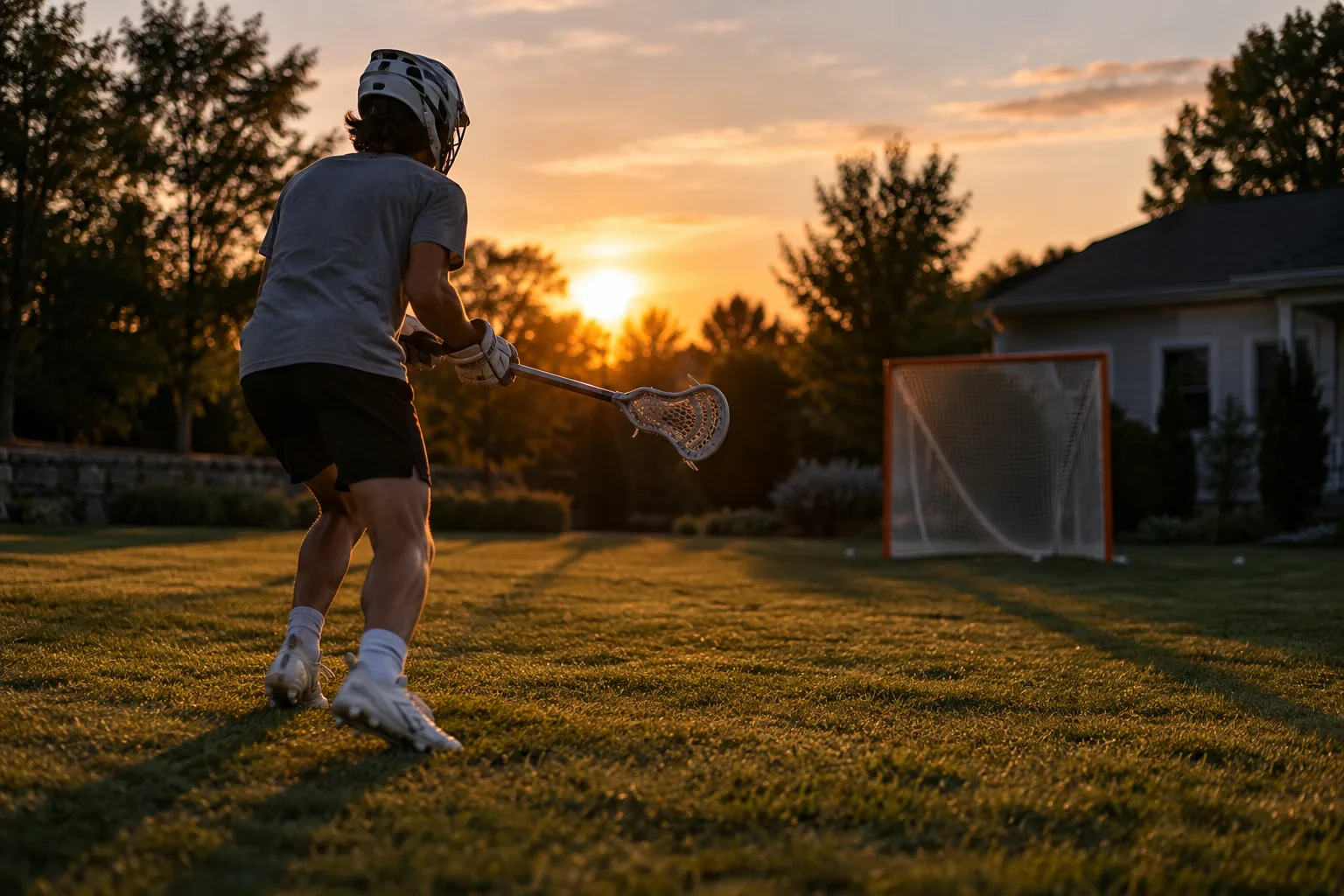
By late September, the newness has worn off.
The first games are played. The rosters are set. The gear that was exciting in August is just gear now, thrown in the back of the car with everything else. The light goes earlier every week. Practice ends in the dark.
This is the part of the season nobody posts about. And this is the part that decides next spring.
What this stretch is actually testing
August is easy. Everybody is enthusiastic in August.
Late September asks a harder question. Does your player pick up the stick when nobody is making them? Does the goalie ask for ten more shots after everyone else has gone inside? Does the wall in the driveway still get used on a Tuesday when it's 52 degrees and there's homework?
Nobody is watching in October. No coach is evaluating. That's exactly why it counts — the work that happens now is the only work that's purely voluntary, and voluntary work is the kind that compounds.
Why fall matters more than parents think
Spring is for playing. Fall is for building.
In season, your player is managing a schedule — games, travel, film, keeping their body right. There is very little room to get meaningfully better at anything. You don't rebuild a shot in April.
The window is now through February. That's five months where the only thing on the calendar is improvement, and where fifteen unglamorous minutes a day turns into something a coach notices in March.
The math is boring and the math is undefeated. Fifteen minutes, five days a week, through the winter is roughly 50 hours of stick work. A teammate who waits until spring gets zero. By tryouts, that gap is visible from across the field.
Three things worth doing between now and the snow
Wall ball, both hands, every day it's possible. It's the highest-return drill in the sport and it requires nothing but a surface and a ball. Fifteen minutes. Weak hand gets equal time, which is the part everybody skips and the part that separates players.
Shooting on a real cage, not a garage door. Reps against an actual goal build actual accuracy. A goal in the yard is the difference between a player who practices twice a week at team and a player who practices every day.
Enough balls that collecting them isn't the workout. This is the cheapest fix in lacrosse. Two dozen balls keeps the rhythm going. Six means your player spends half the session walking.
If there's no usable wall — and for most families there isn't — a rebounder does the same job, quieter, at whatever angle you set it to.
The part we actually care about
We sell goals, nets, balls, and rebounders. That's the business.
But none of it matters on its own. What matters is the fifteen minutes between homework and dinner, in a yard, with nobody watching. The equipment just removes the excuse. The habit is the whole thing, and the habit belongs to your player.
So to every family still hauling gear as the days get shorter — driving to the far field, standing in the cold, waiting in the car with the heat on:
This is the good part. Not the trophy in June. This.
Keep going.